Cultural Fit and Compassion: Choosing Person-Centered Dementia Care
Business Name: BeeHive Homes of Draper
Address: 711 Pioneer Rd, Draper, UT 84020
Phone: (801) 495-3100
BeeHive Homes of Draper
Full service assisted living facility serving southern Salt Lake County offering all-inclusive Memory Care, Assisted Living, and Senior/Adult Day Care services.
711 Pioneer Rd, Draper, UT 84020
Business Hours
Families frequently start the search for dementia care with a spreadsheet of features and rates. The list helps, but it can miss out on the felt experience of a location. Culture, not just scientific proficiency, shapes whether a person dealing with dementia feels safe, respected, and engaged. Culture appears in the music a caretaker hums while helping with a shower, the way breakfast is used, the persistence revealed when words stall, and the self-respect maintained when a resident wants to wear her favorite cardigan on a hot day since it came from her sister. When care aligns with who an individual is, the clinical pieces follow more naturally. When it does not, even outstanding medical care can land as cold or controlling.
Person-centered dementia care begins with that facility. Every option, from staffing to day-to-day regimens to how transitions are dealt with, is arranged around the specific rather than a one-size-fits-all program. Cultural fit sits inside person-centered care, not along with it. If the culture of a memory care house or home care team does not match the worths and history of the person, routines will strain, behaviors will intensify, and households will take on more stress than they require to.
What person-centered dementia care truly looks like
I worked with a man who spent his profession on a dairy farm. The first neighborhood his family chose had a sleek lobby and hectic activity calendar. He was miserable. He paced, swore, and tried to "clock in" at the front desk each morning. When he relocated to a smaller sized home with a raised garden bed and a staff member who had actually grown up on a cattle ranch, his agitation visited half within two weeks. He started sleeping once again. No medication changed. The culture did.
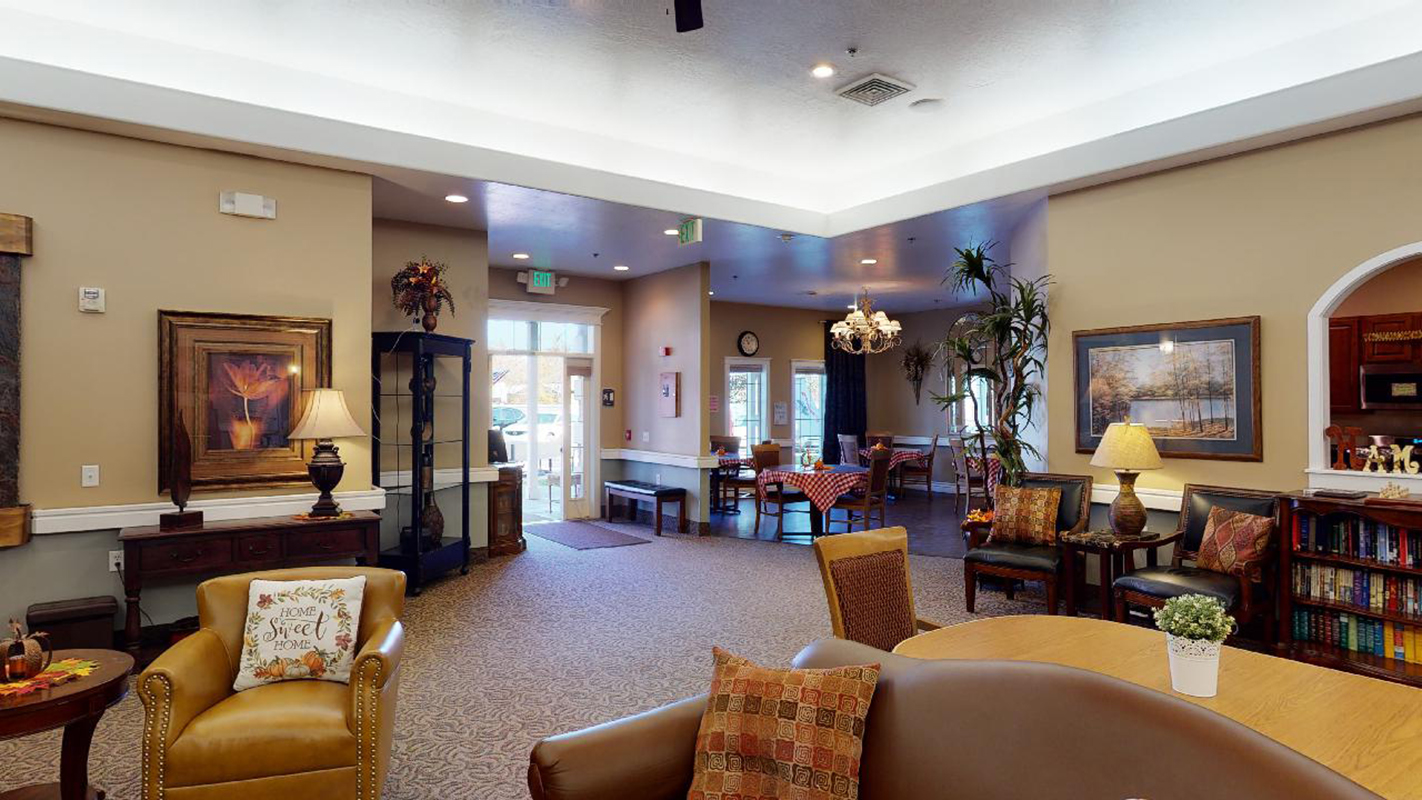
Person-centered dementia care is not about indulging every whim. It is arranged, but flexible. It gives structure to the day, lowers decision tiredness, and offers options that map to longstanding choices. It deals with behaviors as interaction, not issues to stop. It balances security with autonomy. It also recognizes that individuals with dementia are still ending up being. Even with amnesia, they react to new relationships, rhythms, and sensory hints. Care ought to leave area for that growth.
Several threads dependably distinguish person-centered programs from task-centered ones. Time is safeguarded for calm care. Personnel know the resident's life story beyond a couple of bullet points. There is continuity of caretakers, especially across early mornings and nights when confusion peaks. The physical environment supports orientation with hints at eye level, clear sightlines, shadow-free lighting, and familiar items from the individual's life. Menus and activities seem like home, not a cruise program. Families are coached as partners, not dealt with as visitors.
Culture shows up in little decisions that include up
Culture can sound abstract until you observe concrete choices.
Meals are a fine example. In one residence, breakfast was plated and served at 7:30 sharp. Locals who liked cereal with sliced bananas were fine. A female who constantly consumed toasted conchas and cinnamon tea for decades barely touched her food. She lost 5 pounds in 6 weeks before the group invited her daughter to teach the cooking area staff how to prepare pan dulce and chamomile tea with milk. Weight stabilized. Consumption improved because the food tasted like her life.
Language and humor likewise bring culture. I have seen a stoic Korean grandpa unwind when a caregiver greeted him with a bow and a phrase his daughter taught the staff. A retired high school coach illuminated when an assistant started calling him "Coach," then used a whiteboard to sketch plays during early morning workout. He would grab the marker every time.
Culture consists of sensory convenience. Some individuals want peaceful. Others require music or movement. A resident with sophisticated dementia who whistled jazz riffs throughout dinner was not attempting to interfere with others. He was relaxing himself. Moving him to a table on the patio area, where he could whistle without reprimand, fixed more than any medication could.
Faith traditions, household roles, and local identities matter. So do identities that have not constantly been honored in health care, including LGBTQ+ elders who have factor to fear discrimination and people of color whose families have actually navigated bias. A program's policy manual can declare inclusion. The genuine test is whether partners are acknowledged throughout care preparation, whether staff understand proper pronouns without being remedied twice, and whether hair, skin, and food customs are respected without a family needing to advocate daily.
What to expect on tours and calls
Websites get polished. Tours are curated. The quickest method to comprehend a program's culture is to notice how it acts when you are not in the sales workplace. Show up early for a set up visit and ask to wait near a typical area. Enjoy how staff talk to residents when they are assisting with a transfer assisted living draper ut or redirecting a duplicated concern. Look for eye contact, mild touch, and humor. Listen for hurried instructions or corrections provided from throughout the room.
If you ask a question, see whether the answer starts with policy or with the person. When you explain your mother's practice of concealing bread rolls in her sweater pocket, does the employee laugh with recognition and offer ideas that appreciate her convenience? Or do they price quote a guideline about food outside the dining room?
Here is a brief, practical list to anchor those observations without getting lost in marketing claims:
- Ask who will be in the space throughout intimate care, and how connection of caregivers is maintained across weeks, not just shifts.
- Request concrete examples of how the group adapted meals, activities, or regimens to match a resident's culture or life story.
- Inquire about training hours particularly for dementia care, including nonpharmacologic methods to distress, not just general senior care.
- Observe a shift, such as mealtime or shift change, and note whether citizens seem oriented and supported or adrift and waiting.
- Clarify how relative are associated with care preparation and whether staff offer structured coaching for at-home interactions or respite care weekends.
Five minutes of unstructured observation typically informs you more than a sales brochure's adjectives. I have altered suggestions after seeing one resident shot to stand throughout lunch while staff walked past her 3 times. No one was unkind. They were merely extended beyond capacity.
Staffing, ability mix, and the pace of care
Ratios are not the entire story, however they matter. In memory care settings I trust, daytime staffing frequently varies from one caregiver for 5 to 7 locals, with additional assistance throughout early mornings when bathing and dressing take more time. Evenings may get used to one to 8 or one to ten, depending on the design and resident mix. Night staffing is normally leaner, in some cases one to twelve, with a nurse on call if not on website. Numbers differ by state and acuity. What matters is whether the group has enough hands and the right mix of abilities to keep care unhurried.
Training is the next pillar. Effective programs exceed a single orientation day. I look for a minimum of 12 to 24 hours of preliminary dementia-specific training and quarterly refreshers that include role-play, de-escalation, and communication without conflict. Staff ought to be able to discuss why arguing truths with someone who is confabulating seldom works and how to confirm feelings while rerouting with purpose. They ought to understand how unattended pain mimics agitation and how urinary tract infections can provide as unexpected confusion.
Watch for how leaders secure time for training instead of "fitting it in" on a double shift. Ask whether on-the-job coaching is part of the culture. In one house, the lead assistant carried laminated scenario cards in her pocket and ran five-minute drills during natural pauses in the day. That type of practice programs in the quality of care.
Continuity minimizes distress. Individuals with dementia analyze the world through patterns. When faces modification frequently, so does trust. Programs that restrict agency use and keep a stable core of caregivers see fewer falls and less emergency situation transfers. If turnover is high, a program might struggle to provide the culture it advertises, no matter how sincere the intentions.
Safety without removing autonomy
Safety matters. Roaming threat, swallowing problems, and fall dangers can turn routine minutes into crises. The mistake is treating safety as the only worth. When we safeguard a person so completely that they never ever get to select, we diminish their world. The art lies in creating guardrails that maintain dignity.
Consider doors. Locking a memory care area can minimize elopement risk, however it can likewise seem like a cage if motion within is limited and outdoor access is unusual. Some neighborhoods use interior strolling loops with meaningful locations and unlock safe and secure courtyards throughout the day. Staff accompany homeowners on boundary strolls after lunch when uneasyness peaks. Sensing unit technology, like discreet door alerts or wearable trackers, adds a layer of security without public shaming.
Meals present similar compromises. An individual with advanced dementia who insists on consuming rapidly might aspirate without cueing. Placing a quick eater at a table near staff, utilizing smaller utensil portions, and presenting quick stops briefly with a sip of thickened liquid preserves independence better than imposing spoon feeding from the start. If somebody pockets food, you can change textures, use finger foods, and keep a close eye without infantilizing them.
Medications should have examination. Antipsychotics can soothe severe aggression, but they bring genuine dangers, including increased death. In programs that invest in nonpharmacologic methods, I see antipsychotic use under 10 percent for residents without a psychotic condition. When rates are higher, I ask why. There are cases where medication brings back lifestyle. There are likewise cases where better staffing and engagement change the trajectory.
Activities that seem like life, not therapy
Activities are a window into culture because they expose what a program believes citizens can do. The word "activity" can likewise mislead. A loud bingo session might tire a person who prospered on quiet crafts. A resident who never ever took pleasure in group video games will not find pleasure in them after amnesia. I choose programs that develop layers of engagement: group options for those who like company, one-on-one minutes for those who pull back from noise, and purposeful jobs that echo genuine work.
For a retired seamstress, arranging buttons by color, then sewing big felt shapes, supports dexterity and identity. For a previous accountant, stabilizing a mock ledger or helping count inventory for the treat rack channels skills. A garden enthusiast may deadhead flowers every early morning on the patio. A former instructor might lead an easy reading circle, with staff triggering names and dates in such a way that prevents quiz-show pressure.
Music is effective. Customized playlists, produced with family input, can minimize agitation and trigger enjoyable memories. So can scent. Baking cinnamon rolls at 3 p.m. Settles a roaming corridor much better than a "quiet time" indication. Movement matters too. Not everyone takes pleasure in chair yoga, however many people feel better after a walk down a sunlit passage, a stretch at the window, or a couple of minutes of tossing a beach ball.
Watch for whether activities staff operate in rhythm with care personnel. If the two groups are siloed, the day fractures. Strong programs sew the pieces together: an early morning stretch that doubles as a range-of-motion check, a laundry-folding session that becomes life-skills therapy without the label.
How memory care, respite care, and home support interlock
Person-centered dementia care seldom takes place in a single setting. Over months or years, many families mix home care, respite care, adult day programs, and residential memory care. The most sustainable strategies are truthful about limits and flexible about timing.
Respite care is underused. A 3 to 7 day remain in a memory care home can support sleep and appetite for a person living with dementia while offering the primary caretaker area to recuperate. I have seen partners return steadier, ready to continue in your home for months. The secret is preparing the respite group with detailed routines and cultural notes. If Dad anticipates coffee in his blue mug at 6 a.m., compose that down. If Mom naps after lunch just if she listens to Patsy Cline, consist of the playlist. Excellent programs deal with respite stays as complete members of the community, not short-term boarders.
Home care groups can anchor person-centered care when move-in feels early or economically out of reach. The very same cultural concepts use: match caregivers on language, personality, and interests when possible. Align schedules with the person's natural day, not the firm's roster. Turn moderately. Families who pair home care with adult day programs often discover a sweet spot of engagement and rest. A day center that cooks regional dishes, honors faith vacations, and trains staff on dementia communication can be as important as any medical intervention.
When a transfer to residential memory care becomes required, programs that invite trial days or short respite remains develop gentler shifts. Familiar faces at move-in lower distress. Some neighborhoods dispatch a caretaker to shadow during the first week, bridging brand-new regimens with patterns from home.
When the fit is not perfect
Perfect positioning is rare. A rural family may just have one memory care neighborhood within an hour's drive. A program that stands out at engagement might deal with complicated medical requirements. Spending plans include real restraints. Even within limits, nuance helps.
If the only neighboring community has problem with cultural food choices, think about pre-arranged family meals when a week, dish sharing, and a little resident kitchen with labeled favorites. If language matching is spotty, recruit a multilingual volunteer from a regional church or high school to visit throughout peak confusion times. If staffing ratios feel tight, inquire about essential hours when additional assistance can be scheduled and record the plan.
Sometimes a community enhances. I worked with a home that had high turnover and a rigid dining schedule. After a series of household conferences and leadership modifications, they opened a flexible breakfast window, supported a resident-run morning coffee club, and restructured assignments so that the same 2 assistants consistently covered the exact same corridor. 6 months later, fall rates were down 20 percent, and families were not picking up their loved ones to "give them a break" as often. Culture moved since individuals required it and leaders responded.
Costs, protection, and financial judgment calls
Costs differ by state and level of care. In lots of regions, regular monthly rates for residential memory care range from 4,000 to 9,000 dollars, with greater charges for included support like two-person transfers or insulin management. Home care frequently runs 28 to 45 dollars per hour, more in metro areas, with over night rates that can stretch a budget plan rapidly if 24-hour protection is needed. Adult day programs are usually 70 to 150 dollars daily, in some cases with moving scales.
Medicare does not pay for long-term custodial care, whether at home or in a residence. It does cover medical services, hospice, and some home health if knowledgeable requirements exist. Medicaid might money memory care or at home assistance through waivers, however eligibility and waitlists differ by state. Long-term care insurance coverage can assist if the policy is active and benefits are not exhausted. Veterans and surviving partners must inquire about Aid and Participation benefits.
When money is tight, I counsel families to think in stages. Use respite care strategically after hospitalizations or throughout caretaker illness, not simply when overwhelmed. Focus on protection throughout high-risk times of day, such as early mornings and late afternoons, and depend on household or volunteer assistance during steadier hours. Select a community that permits aging in location to prevent pricey and disruptive second moves. Get whatever about additional charges in composing, from incontinence supplies to transportation.
Measuring whether culture and care are working
After move-in, families frequently fret that they missed out on something. You can assess fit with a couple of practical metrics over the first 6 to 8 weeks.
Watch weight patterns and hunger. A little dip throughout transition prevails. Ongoing weight-loss is not. Track sleep by asking the night staff how many hours your loved one typically gets and whether they wake distressed. Note falls and what changed afterward. One fall in a brand-new environment may be misfortune. 2 or three recommend mismatched regimens or insufficient supervision.
Ask for behavior logs, not to authorities personnel, however to understand patterns. If afternoon pacing spikes on days without outside time, that is a fixable hint. If confusion aggravates right after showers, change the schedule, water temperature, or the individual helping. Person-centered groups welcome this detective work. They see family insights as essential, not interference.
Quality likewise displays in the intangibles. Does your loved one look for specific staff members? Do they welcome you with curiosity instead of panic? Are their clothes clean and mended, their glasses free of smudges, their hair combed the way they always liked it? These little dignities typically predict the huge outcomes.
Two vignettes that describe the stakes
A retired Navy machinist and his daughter visited 3 communities. The shiniest one highlighted a theater space and aromatherapy. The second, smaller sized by half, smelled like soup and lemon oil. Throughout the visit, a resident who used a ball cap kept circling around the hall, saluting a portrait of a ship. A caretaker gently saluted back whenever with a smile. The machinist observed. He wrecked in the car park and said, "They speak my language." Six months later on, his child reported fewer outbursts and more pleased afternoons seeing black-and-white war documentaries with a team member who asked him to teach her the knots he once tied on deck.
A various case involved a retired professor who prided himself on formal dress and argument. He focused on appropriate grammar and frowned at being directed. His first positioning paired him with a sweet, chatty assistant who used pet names and touched his shoulder during discussion. He bristled, knocked, and threatened to call the dean. Nothing worked until the group switched tasks. A reserved caregiver who addressed him as "Professor Grant," asked approval before every task, and narrated steps in neutral language constructed trust within a week. One customized shift in culture reduced months of struggle.
Preparing for a move and shaping the culture from day one
Families often concentrate on packing lists and documents. Those matter, but culture begins with the handoff. The more detail you provide about identity, rhythms, and nonnegotiables, the quicker a team can line up care. Bring a brief life story, not a novel. Consist of functions, regimens, and triggers. Deal photos that reveal the individual at midlife in settings that mattered to them, not simply recent photos at vacations. Those images assist staff see the entire individual and speak with them with respect.
A simple, five-step transition strategy can lower early friction:
- Write a one-page "About Me" that covers preferred foods, day-to-day schedule, hobbies, profession highlights, spiritual practices, languages, and sensitivities. Keep it specific.
- Deliver two or three significant items, such as a quilt, a work hat, or a cookbook, and place them where the person will encounter them naturally.
- Share an individualized music playlist and a list of calming phrases or jokes that staff can use during care.
- Coordinate arrival for a time of day when your loved one typically works best, and remain long enough to anchor them, but not so long that the team can not establish new routines.
- Schedule a check-in with the nurse and lead aide at 72 hours, 2 weeks, and 6 weeks to review what is working and what needs adjusting.
You will not get everything right on day one. Person-centered care is a practice, not an item. The objective is to keep adjusting up until the individual's days feel familiar, safe, and, when possible, meaningful.
Final ideas from the field
The finest dementia care programs I have actually seen do not count on charisma or mottos. They hum with peaceful proficiency. They set reasonable expectations without sugarcoating difficult days. They welcome households to partner without contracting out all duty. They deal with respite care as necessary upkeep, not failure. And they hold a positive humility about the work, understanding that even experienced teams get surprised by a brand-new behavior at 2 a.m.
Cultural fit is not a luxury. It is the soil in which scientific care grows. Whether you choose home assistance, adult day services, respite care, or a residential memory care neighborhood, demand a match with your loved one's history and worths. Ask to see that culture in action. Assist personnel see the individual you know. The reward is not simply less crises. It is a much better life resided in the middle of amnesia, for the person and for the family who enjoys them.
BeeHive Homes of Draper provides assisted living care
BeeHive Homes of Draper provides memory care services
BeeHive Homes of Draper provides respite care services
BeeHive Homes of Draper supports assistance with bathing and grooming
BeeHive Homes of Draper offers private bedrooms with private bathrooms
BeeHive Homes of Draper provides medication monitoring and documentation
BeeHive Homes of Draper serves dietitian-approved meals
BeeHive Homes of Draper provides housekeeping services
BeeHive Homes of Draper provides laundry services
BeeHive Homes of Draper offers community dining and social engagement activities
BeeHive Homes of Draper features life enrichment activities
BeeHive Homes of Draper supports personal care assistance during meals and daily routines
BeeHive Homes of Draper promotes frequent physical and mental exercise opportunities
BeeHive Homes of Draper provides a home-like residential environment
BeeHive Homes of Draper creates customized care plans as residents’ needs change
BeeHive Homes of Draper assesses individual resident care needs
BeeHive Homes of Draper accepts private pay and long-term care insurance
BeeHive Homes of Draper assists qualified veterans with Aid and Attendance benefits
BeeHive Homes of Draper encourages meaningful resident-to-staff relationships
BeeHive Homes of Draper delivers compassionate, attentive senior care focused on dignity and comfort
BeeHive Homes of Draper has a phone number of (801) 495-3100
BeeHive Homes of Draper has an address of 711 Pioneer Rd, Draper, UT 84020
BeeHive Homes of Draper has a website https://beehivehomes.com/locations/draper/
BeeHive Homes of Draper has Google Maps listing https://maps.app.goo.gl/LgtrXf95hQFVgKrY8
BeeHive Homes of Draper has Facebook page https://www.facebook.com/BeeHiveDraper/
BeeHive Homes of Draper won Top Assisted Living Homes 2025
BeeHive Homes of Draper earned Best Customer Service Award 2024
BeeHive Homes of Draper placed 1st for Utah Senior Living Communities 2025
People Also Ask about BeeHive Homes of Draper
What is BeeHive Homes of Draper Living monthly room rate?
Our monthly rates for both Assisted Living and Memory Care at BeeHive Homes of Draper are thoughtfully designed to be all-inclusive. While pricing reflects each resident’s unique care needs, families appreciate that once a rate is established, it remains stable - no hidden fees or surprise increases as care evolves. We believe in clarity, consistency, and peace of mind
Can residents stay in BeeHive Homes of Draper until the end of their life?
In many cases, yes. We are honored to support residents throughout their journey, including end-of-life care, right here in the comfort of our Draper home. There are rare occasions when medical needs exceed our licensing (such as 24-hour skilled nursing) but we’ll always guide families through any transition with care and compassion
Do we have a nurse on staff?
Yes, we do. Our Registered Nurse, Jacque Parker, R.N., works closely with local home health nurses and house-call physicians to coordinate excellent care. This collaboration allows us to meet a wide range of health needs right here at home
What are BeeHive Homes of Draper's visiting hours?
We know how important it is to stay close to loved ones. That’s why visiting hours at our Draper home are flexible and designed around what works best for the resident. You’re welcome to visit during the day... just try not to come to early and stay too late
Do You Offer Rooms for Couples?
Yes, we do! BeeHive Homes of Draper offers select suites for couples who wish to continue living together while receiving care. These shared accommodations preserve comfort and connection while ensuring both individuals get the personalized support they need. Availability is limited, so reach out to learn more
Do You Provide Senior Day Care or Respite Services?
Absolutely. Our senior day care and short-term respite care options are perfect for families who need extra help during the day or while traveling. Guests enjoy the same high-quality care, engaging activities, and home-cooked meals as our full-time residents, all in a safe, social environment. We’ll help you find a care plan that fits your schedule and your loved one’s needs.
What’s the Difference Between Assisted Living and Memory Care?
Assisted living is best for seniors who benefit from help with daily activities but still enjoy socializing and independence. Memory care is a more structured service tailored to individuals with Alzheimer’s or other cognitive conditions, with routines, guidance, and security that support safety and emotional well-being.
Where is BeeHive Homes of Draper located?
BeeHive Homes of Draper is conveniently located at 711 Pioneer Rd, Draper, UT 84020. You can easily find directions on Google Maps or call at (801) 495-3100 Monday through Sunday Open 24 hours
How can I contact BeeHive Homes of Draper?
You can contact BeeHive Homes of Draper by phone at: (801) 495-3100, visit their website at https://beehivehomes.com/locations/draper/ or connect on social media via Facebook
Spitz Mediterranean Street Food provides a casual dining option for families spending quality time with loved ones in Assisted living, memory care, senior care, elderly care, and respite care.